8 Anti-Inflammatory Foods to Include in a Balanced Diet
Inflammation is a natural response of the body's immune system that helps protect against injury and infection. While short-term inflammation is a normal part of healing, long-term inflammation may be associated with various chronic health conditions. Although no single food can prevent or treat disease, following a balanced diet rich in nutrient-dense foods may help support a healthy inflammatory response and overall well-being.
One of the best ways to support your health is by choosing a variety of whole, minimally processed foods. Many fruits, vegetables, whole grains, legumes, nuts, seeds, and healthy fats provide vitamins, minerals, antioxidants, and fiber that contribute to a balanced diet. Rather than focusing on individual "superfoods," experts generally recommend looking at your overall eating pattern.
1. Berries
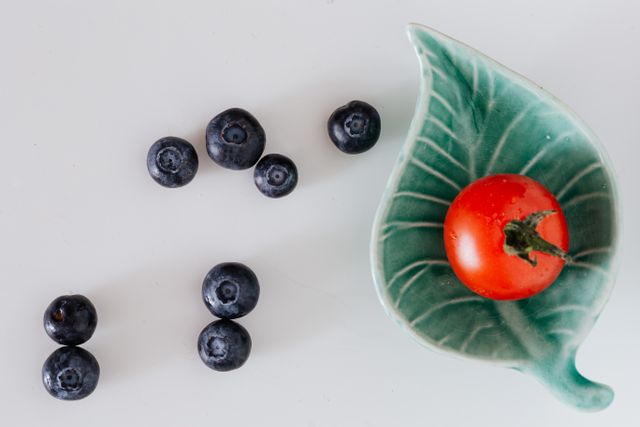
Berries such as blueberries, strawberries, raspberries, and blackberries are rich in vitamins, fiber, and naturally occurring plant compounds called polyphenols. Including a variety of berries in your diet may help support overall health as part of a balanced eating plan. Fresh or frozen berries can be added to yogurt, oatmeal, smoothies, or enjoyed as a snack.
2. Leafy Green Vegetables
Leafy greens like spinach, kale, Swiss chard, and arugula provide vitamins A, C, K, folate, and minerals that support many normal body functions. They are also naturally low in calories and high in dietary fiber, making them an excellent addition to salads, soups, and cooked meals.
3. Fatty Fish
Fish such as salmon, sardines, trout, and mackerel are good sources of omega-3 fatty acids. Research suggests that omega-3 fats play an important role in overall health and may support normal inflammatory processes when included as part of a balanced diet. Health organizations often recommend eating fish at least twice per week for most adults.
4. Nuts and Seeds
Almonds, walnuts, pistachios, flaxseeds, chia seeds, and sunflower seeds provide healthy fats, protein, fiber, and several important vitamins and minerals. A small handful of unsalted nuts can be a satisfying snack and an easy way to add healthy fats to your daily diet.
5. Extra Virgin Olive Oil
Extra virgin olive oil is a key component of the Mediterranean diet, which has been widely studied for its association with heart health. It contains mostly monounsaturated fats along with naturally occurring antioxidants. Using olive oil in place of butter or highly processed cooking oils may be a simple dietary improvement.
6. Whole Grains
Whole grains such as oats, quinoa, brown rice, barley, and whole wheat retain more of their natural nutrients compared to refined grains. They provide dietary fiber, which supports digestive health and contributes to a balanced eating pattern. Replacing refined grains with whole grains is one practical change that many nutrition experts recommend.
7. Beans and Lentils
Beans, lentils, and chickpeas are affordable, nutrient-rich foods that provide plant-based protein, fiber, iron, and other important nutrients. They can be used in soups, salads, curries, or grain bowls and may help increase feelings of fullness as part of a balanced meal.
8. Tomatoes
Tomatoes are a versatile ingredient that contains vitamins, minerals, and the antioxidant lycopene. They can be enjoyed fresh, roasted, or incorporated into sauces and soups. Pairing tomatoes with healthy fats such as olive oil may help improve the absorption of certain nutrients.
Building a Balanced Eating Pattern
Rather than trying to completely eliminate certain foods, many nutrition professionals encourage focusing on overall dietary quality. Filling your plate with vegetables, fruits, whole grains, lean proteins, legumes, and healthy fats while limiting highly processed foods may help support long-term health.
Small, consistent improvements are often easier to maintain than restrictive diets. For example, replacing sugary snacks with fruit, choosing whole-grain bread instead of white bread, or cooking more meals at home can make a meaningful difference over time.
It's also important to remember that nutrition needs vary from person to person. Age, activity level, medical history, and personal preferences all influence the best eating pattern for an individual. If you have specific dietary concerns or medical conditions, consider seeking guidance from a qualified healthcare professional or registered dietitian.
Key Takeaways
- Choose a variety of colorful fruits and vegetables.
- Include whole grains instead of refined grains when possible.
- Enjoy healthy fats from foods like olive oil, nuts, and seeds.
- Eat fish regularly if it fits your dietary preferences.
- Add more beans and lentils to meals for plant-based protein and fiber.
- Focus on long-term healthy eating habits rather than quick fixes.
References
Harvard T.H. Chan School of Public Health. The Nutrition Source. https://nutritionsource.hsph.harvard.edu/
National Institutes of Health (NIH). Office of Dietary Supplements. https://ods.od.nih.gov/
American Heart Association. Healthy Eating. https://www.heart.org/
World Health Organization (WHO). Healthy Diet. https://www.who.int/news-room/fact-sheets/detail/healthy-diet
Mayo Clinic. Healthy Lifestyle: Nutrition and Healthy Eating. https://www.mayoclinic.org/healthy-lifestyle/nutrition-and-healthy-eating
Academy of Nutrition and Dietetics. Eat Right. https://www.eatright.org/