The Importance of Staying Hydrated: How Water Supports Overall Health
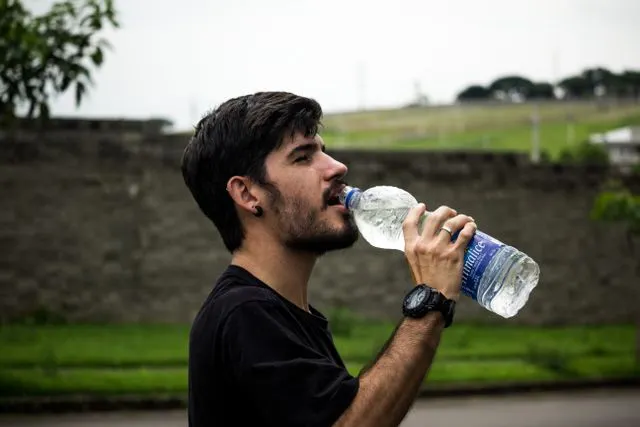
Water is essential for life and plays a role in nearly every function of the human body. It helps transport nutrients, regulate body temperature, support digestion, lubricate joints, and maintain normal organ function. While hydration needs vary from person to person, drinking enough water each day is a simple habit that can contribute to overall health and well-being.
The body continuously loses water through breathing, sweating, and normal bodily functions. Replacing these fluids throughout the day helps maintain proper hydration. Factors such as age, climate, physical activity, and overall health can all influence individual fluid requirements.
Although water is the best source of hydration for most people, fluids can also come from milk, unsweetened beverages, and water-rich foods such as fruits and vegetables.
Why Hydration Matters
Every cell, tissue, and organ in the body depends on water to function properly. Staying hydrated helps support:
- Normal body temperature
- Digestion and nutrient absorption
- Circulation
- Joint lubrication
- Kidney function
- Physical performance
- Cognitive function
Even mild dehydration may affect how you feel throughout the day, making hydration an important part of a healthy lifestyle.
Signs You May Need More Fluids
Your body's hydration needs change depending on activity level, weather, and individual health factors.
Some common signs that you may need more fluids include:
- Feeling thirsty
- Dark yellow urine
- Dry mouth
- Fatigue
- Headache
- Feeling less energetic than usual
These signs do not necessarily indicate a medical condition, but they may suggest that increasing fluid intake could be helpful. Persistent symptoms should always be discussed with a healthcare professional.
How Much Water Do You Need?
There is no single amount of water that is right for everyone.
Fluid needs vary based on factors including:
- Age
- Body size
- Activity level
- Climate
- Pregnancy or breastfeeding
- Overall health
Many health organizations encourage drinking water regularly throughout the day and paying attention to your body's thirst signals.
Foods That Help Keep You Hydrated
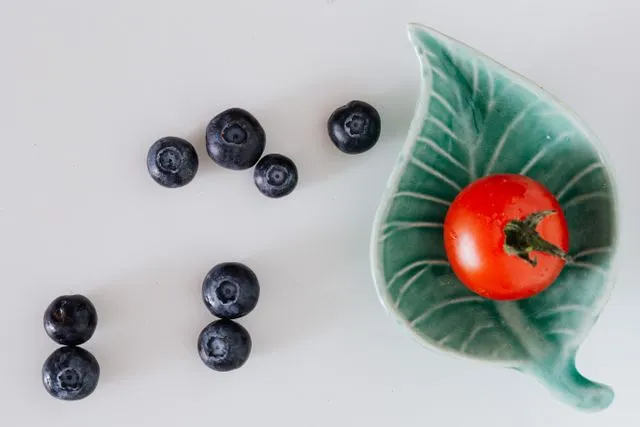
Hydration doesn't come only from beverages. Many foods naturally contain large amounts of water.
Examples include:
- Watermelon
- Cucumber
- Strawberries
- Oranges
- Tomatoes
- Lettuce
- Celery
- Bell peppers
Including these foods as part of a balanced diet can contribute to your daily fluid intake.
Tips for Staying Hydrated
Building simple daily habits can make it easier to maintain hydration.
Consider these practical tips:
- Carry a reusable water bottle.
- Drink water with meals.
- Keep water nearby while working.
- Drink fluids before, during, and after exercise.
- Add lemon, cucumber, or mint for flavor if plain water feels boring.
- Eat more water-rich fruits and vegetables.
- Increase fluid intake during hot weather.
Small habits practiced consistently are often easier to maintain over time.
Hydration During Physical Activity
Exercise increases fluid loss through sweat. Replacing fluids before, during, and after physical activity helps support normal body function and exercise performance.
The amount of fluid needed depends on:
- Exercise intensity
- Duration
- Temperature
- Humidity
- Individual sweat rate
For most recreational activities, drinking water is sufficient. People participating in prolonged or high-intensity exercise may have different hydration needs and should follow guidance appropriate for their activity level.
Common Myths About Hydration
Myth: Everyone needs exactly eight glasses of water every day.
Fluid needs vary from person to person. While the "8 glasses a day" guideline is popular, there is no universal requirement that applies to everyone.
Myth: Coffee always causes dehydration.
Moderate coffee and tea consumption can contribute to daily fluid intake for many people. Water is still an excellent choice, but moderate caffeinated beverages generally do not cause dehydration in healthy adults.
Myth: Thirst is the only indicator of hydration.
Thirst is helpful, but factors such as physical activity, hot weather, or illness may increase fluid needs before significant thirst develops.
Building Healthy Hydration Habits
Hydration is one part of an overall healthy lifestyle. Pairing adequate water intake with balanced nutrition, regular physical activity, quality sleep, and stress management creates a strong foundation for long-term wellness.
Rather than trying to drink large amounts of water all at once, many people find it easier to sip fluids consistently throughout the day.
Key Takeaways
- Water supports many normal body functions.
- Hydration needs vary between individuals.
- Fruits and vegetables also contribute to daily fluid intake.
- Drinking water regularly throughout the day may help support overall health.
- Healthy hydration works best alongside balanced nutrition and an active lifestyle.
References
Centers for Disease Control and Prevention (CDC). Water and Healthier Drinks. https://www.cdc.gov/healthy-weight-growth/water-healthy-drinks/index.html
Mayo Clinic. Water: How Much Should You Drink Every Day? https://www.mayoclinic.org/
National Academies of Sciences, Engineering, and Medicine. Dietary Reference Intakes for Water. https://www.nationalacademies.org/
Harvard T.H. Chan School of Public Health. The Nutrition Source: Water. https://nutritionsource.hsph.harvard.edu/
World Health Organization (WHO). Healthy Diet. https://www.who.int/news-room/fact-sheets/detail/healthy-diet